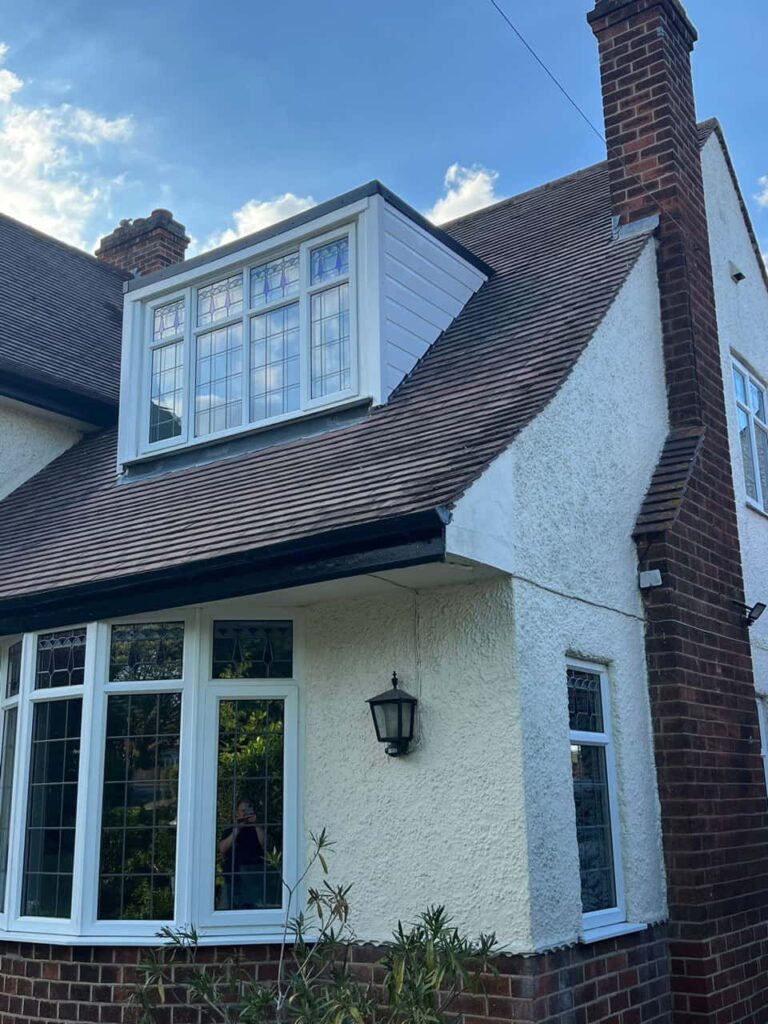
Roof patching can be an effective way to deal with certain localised roofing problems. Replacing a damaged tile, repairing a small section of flashing or sealing a minor defect can sometimes prevent a more extensive repair from being necessary. However, patching is not always the right long-term solution.
When roofing problems are widespread, recurring or connected to underlying deterioration, applying another patch may only provide temporary relief. Understanding when a roof needs more than a localised repair can help homeowners in Sutton-on-Hull make more informed decisions about their property.
When Damage Is Spread Across the Roof
Patching works best when the problem is isolated. If numerous areas of the roof are damaged, however, repeatedly repairing individual sections may not address the wider condition of the roof.
Multiple cracked, slipped or deteriorating tiles can indicate that the roofing materials are reaching the end of their useful condition. In these circumstances, replacing individual sections may become increasingly difficult to justify from a practical perspective.
A professional inspection can determine whether the damage is genuinely localised or whether a broader repair is more appropriate.
Persistent Roof Leaks
A roof leak does not always originate directly above the area where water becomes visible internally. Water can travel beneath roofing materials before entering the loft space or ceiling, making the actual source difficult to identify.
If a roof continues to leak after previous patching work, there may be an underlying issue that has not been fully resolved. The problem could involve damaged tiles, deteriorated flashing, defective roof junctions or another area allowing water to enter.
Repeated patching without identifying the source can allow moisture to continue affecting the roof structure and internal parts of the property.
Deteriorated Roof Flashing
Flashing provides an important barrier around vulnerable areas such as roof junctions and changes in roof direction. When flashing becomes cracked, loose, corroded or otherwise deteriorated, applying a small amount of sealant may not provide a reliable long-term solution.
If the flashing has deteriorated across a larger section, replacement or more substantial repair may be necessary. A roofer can assess the condition of the flashing and determine whether a localised repair is suitable.
Sagging or Uneven Roof Areas
Patching damaged roof coverings will not resolve a structural problem. If part of a roof appears to be sagging or has developed an unusual dip, the cause needs to be investigated rather than simply covered with another repair.
Uneven areas can sometimes indicate problems with the underlying roof structure, prolonged moisture exposure or deterioration of supporting materials. These issues require careful assessment before deciding what repair work is appropriate.
Homeowners in Sutton-on-Hull should not assume that visible roof damage is only a surface-level problem when the roofline itself has changed.
Widespread Deterioration of Roofing Materials
Roofing materials naturally become more vulnerable to damage as they deteriorate. Older tiles or other roof coverings may become brittle, porous, cracked or increasingly difficult to repair effectively.
If deterioration is widespread, replacing one or two damaged areas may leave many other vulnerable sections untouched. In this situation, a more comprehensive approach may provide a more dependable result than continuing with isolated patches.
This does not automatically mean the entire roof needs replacing. A professional inspection can establish the extent of the deterioration and identify the most appropriate repair option.
Repeated Repairs in the Same Area
If the same section of a roof repeatedly requires attention, it is worth investigating why the problem keeps returning. A recurring leak or damaged section may indicate that the original cause has not been fully addressed.
For example, replacing a damaged tile may temporarily stop water entering, but if the surrounding area has movement, damaged underlay or defective flashing, the problem may return.
Rather than continuing with repeated patching, a roofer can inspect the affected area and determine whether a more complete repair is needed.
When Patching May Still Be Suitable
Patching should not be dismissed as an ineffective roofing solution. For genuinely isolated problems, it can be a practical way to restore the affected area without carrying out unnecessary work.
A small number of damaged tiles, a minor section of defective flashing or another clearly localised fault may be suitable for a straightforward repair. The key is establishing that the surrounding roof remains in good condition.
This is why inspection is important before deciding whether patching is sufficient.
Why Professional Roof Assessment Matters
It can be difficult to judge the condition of a roof from ground level. A professional roofer can examine the affected area, surrounding materials and relevant roof features to establish whether the problem is isolated or part of a wider issue.
For properties in Sutton-on-Hull, a proper assessment can help prevent unnecessary repeat repairs while ensuring that more significant roofing problems are not overlooked.
Conclusion
Patching can be a useful solution for small, localised roofing defects, but it is not suitable for every problem. Widespread deterioration, persistent leaks, failing flashing, structural concerns and repeatedly damaged areas may require a more comprehensive repair.
If you are unsure whether a roofing issue at your Sutton-on-Hull property can be resolved with a simple patch, TRP Roofing Sutton-on-Hull can assess the condition of the roof and advise on the most suitable repair. Contact us to arrange an inspection.
Call us on: 01482 429 195
Click here to find out more about TRP Roofing Sutton-on-Hull
Click here to complete our contact form and see how we can help with your roofing needs.